
Field notes from the bench.
Short, practical pieces on endodontic training, curriculum design, and how the models are made — written from running courses, not from marketing briefs.
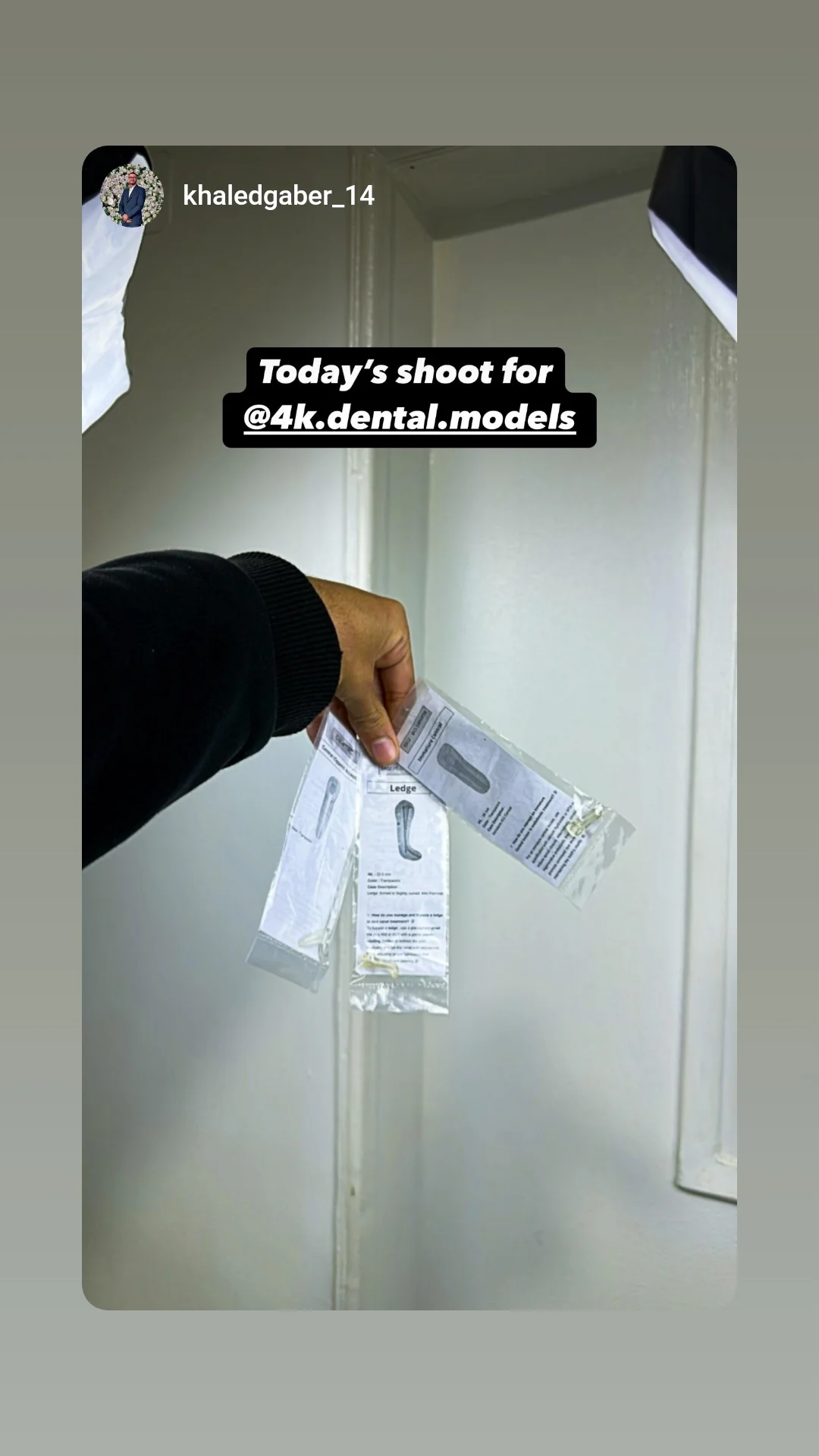
Why tactile feedback decides whether a training model actually teaches
A practice tooth that feels nothing like dentine teaches the wrong reflexes. Here is why hand-feel matters more than looks in endodontic simulation.
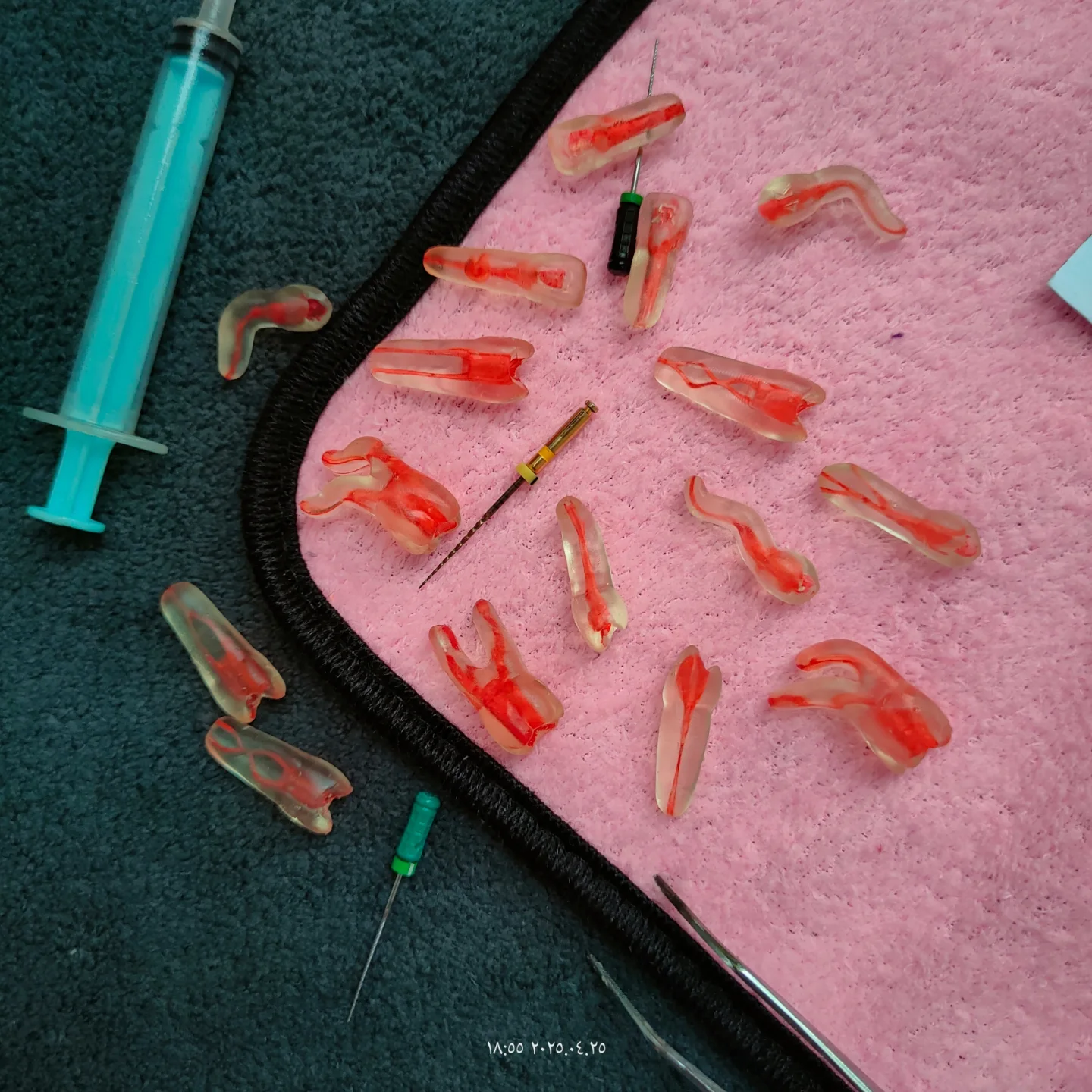
Designing a 12-week pre-clinical endodontics block around training models
A week-by-week structure that moves a cohort from access cavities to curved-canal control — and the model mix that supports each stage.
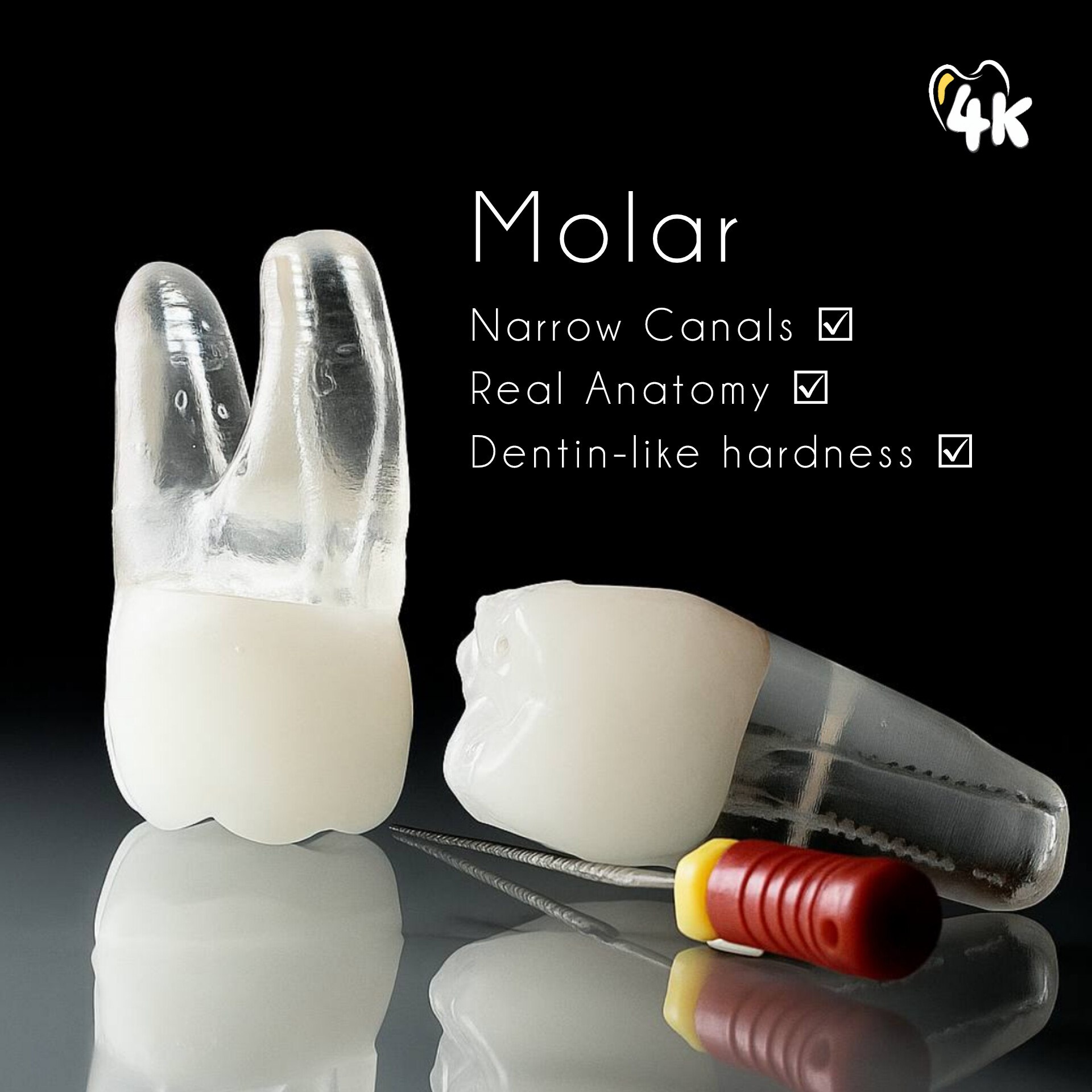
Five access-cavity mistakes pre-clinical students make on the first molar
The first molar is where access goes wrong quietly. These five errors are the ones we see most — and how a model lets a student feel each one before a patient does.
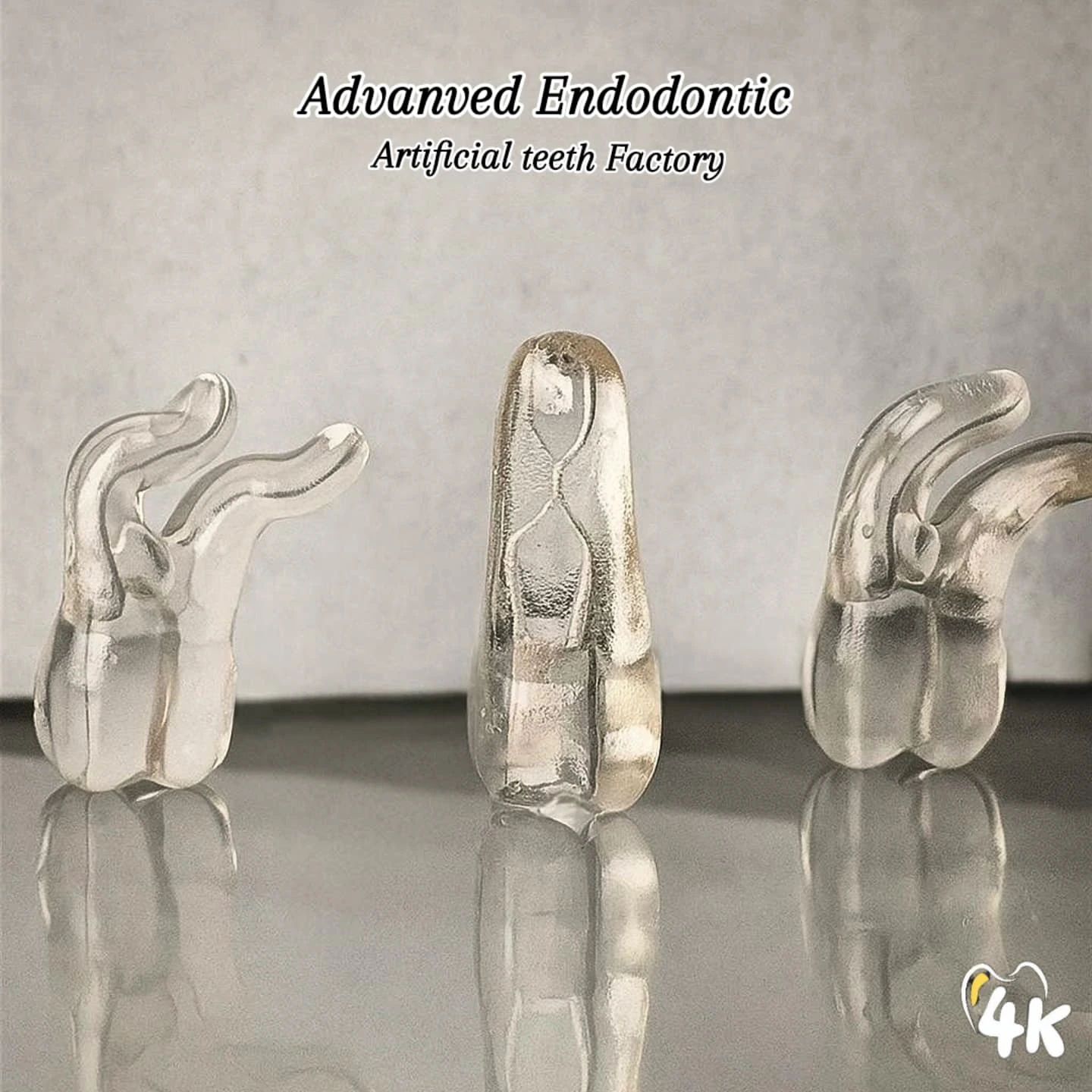
The nine-pillar framework — how 4K thinks about training progression
Our catalog is not a pile of teeth. It is nine clinical pillars arranged as a deliberate skill ladder, from closed-access basics to resorption.
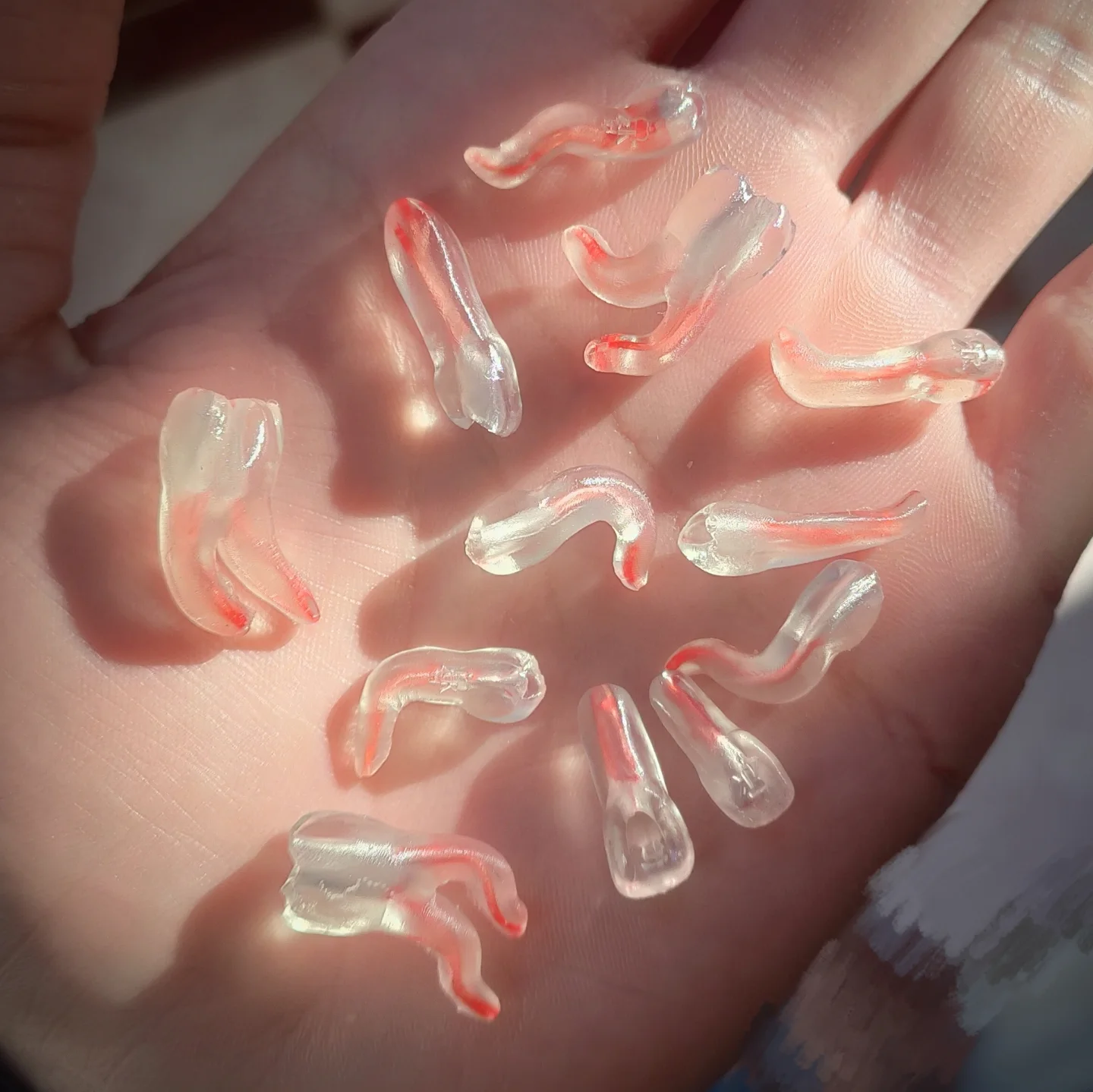
From scan to bench-check — the 4K fabrication standard
Resolution numbers are easy to print on a spec sheet. What actually makes a model usable is the loop between a CT scan, an SLA printer, and a clinician's hands.