Almost every endodontic problem downstream — a missed canal, a perforation, a separated file — can be traced back to the access cavity. And the first molar is where access quietly goes wrong, because the consequences only appear two steps later. Here are the five mistakes we see most in pre-clinical students, and what each one feels like before it becomes a failed case.
1. Under-extension that hides the MB2
The most common cause of a missed canal is an access cavity that never exposed it. Students taught to be "conservative" often leave a shelf of dentine over the mesiobuccal floor, and the MB2 stays hidden beneath it. The fix is not aggression — it is finishing the access. A model with a genuinely present MB2 lets a student discover, on the bench, that "I couldn't find it" usually means "I couldn't see it."
2. Treating the pulp chamber floor as flat
The floor is a map. The grooves between orifices are roads that lead to canals. Students who scrape rather than read the floor destroy the very landmarks that would have guided them. On a model, the lesson is cheap: trace the developmental grooves, and the orifices announce themselves.
3. Gouging the furcation
Over-deepening in the centre of the floor — chasing a canal that is actually lateral — is how furcation perforations happen. The tell is a sudden change in the floor's colour and a bleeding point that does not belong. A perforation-repair model lets a student create and then manage this error in a place where it costs nothing.
4. Straight-line access not actually achieved
A canal orifice can be visible and still not be accessible in a straight line. If the coronal wall deflects the file before it reaches the canal, every subsequent step inherits that angle — and curvature management becomes twice as hard. Students should test, on the model, whether a file drops into the orifice freely or is being nudged off course by an unfinished wall.
5. Stopping access "because the canal is found"
Finding the orifice is not the end of access — it is the middle. The cavity has to give the instrument an unobstructed path. Students who stop the moment they see a canal often spend the next twenty minutes fighting an angle they created themselves.
Why these belong on a model, not a patient
None of these mistakes are dangerous on a printed tooth. All of them are expensive on a person. The entire value of a pre-clinical model is that it lets a learner make each error deliberately, feel the consequence, and build the reflex that prevents it — at zero cost.
The mistakes a student is allowed to make on the bench are the ones they will not make in the chair.
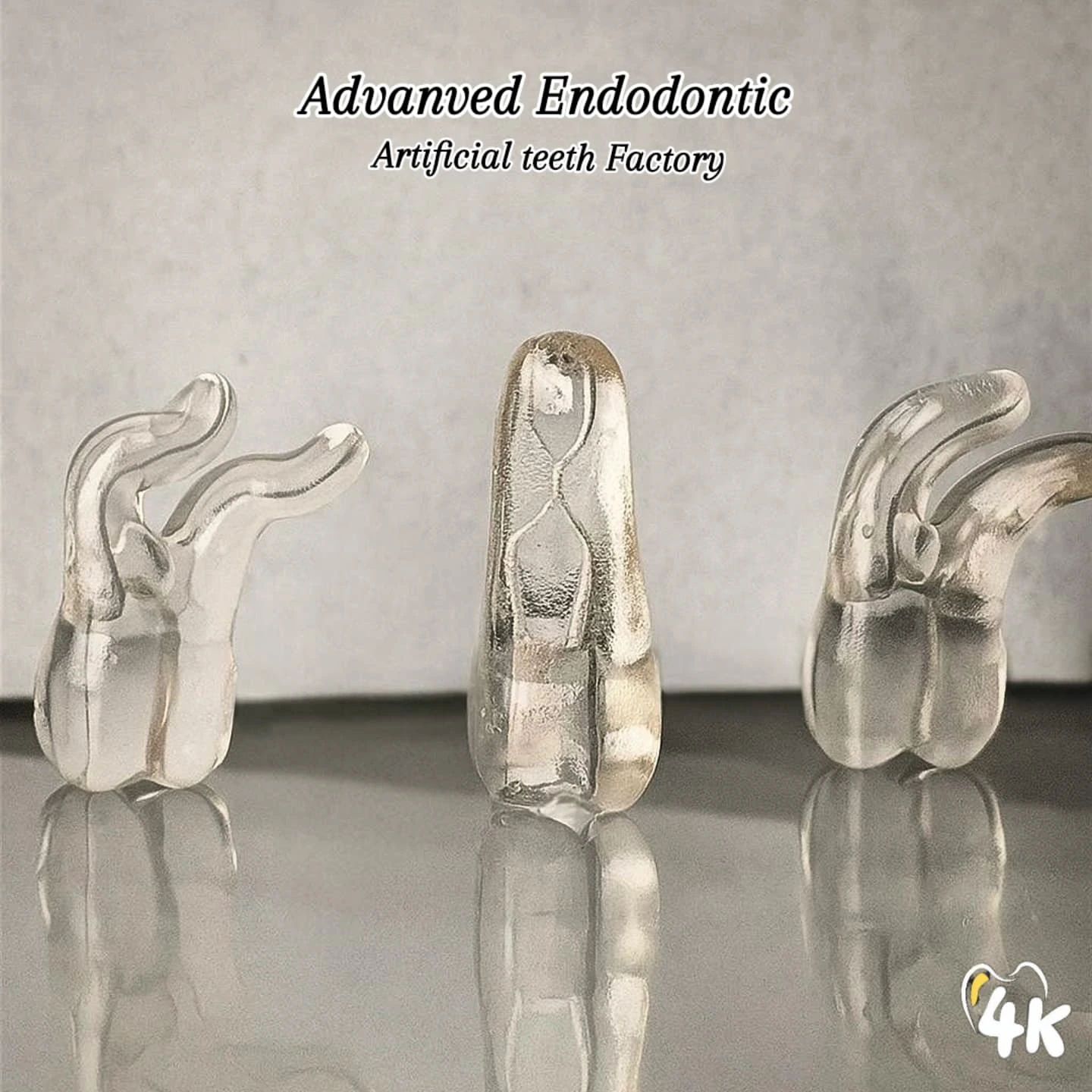
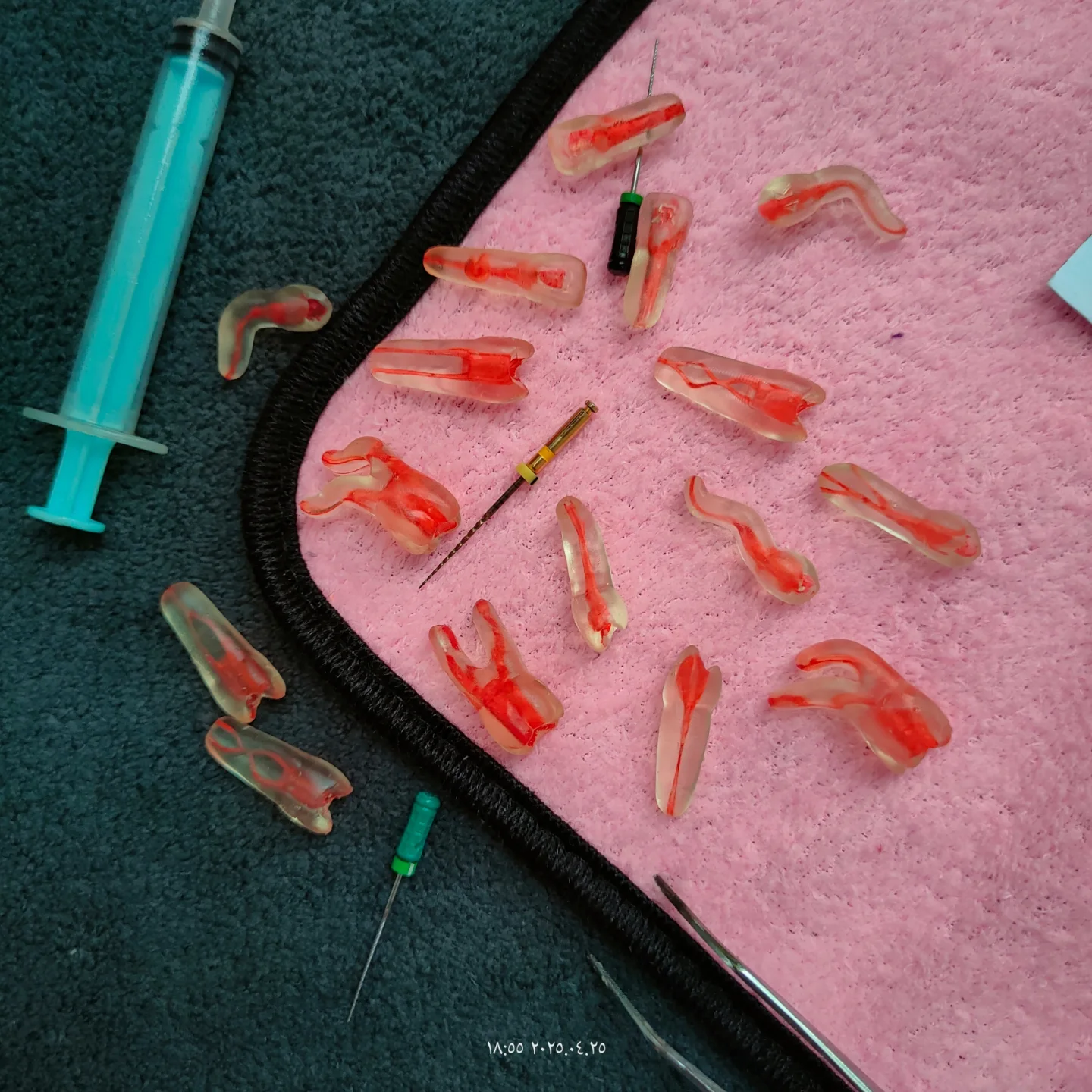
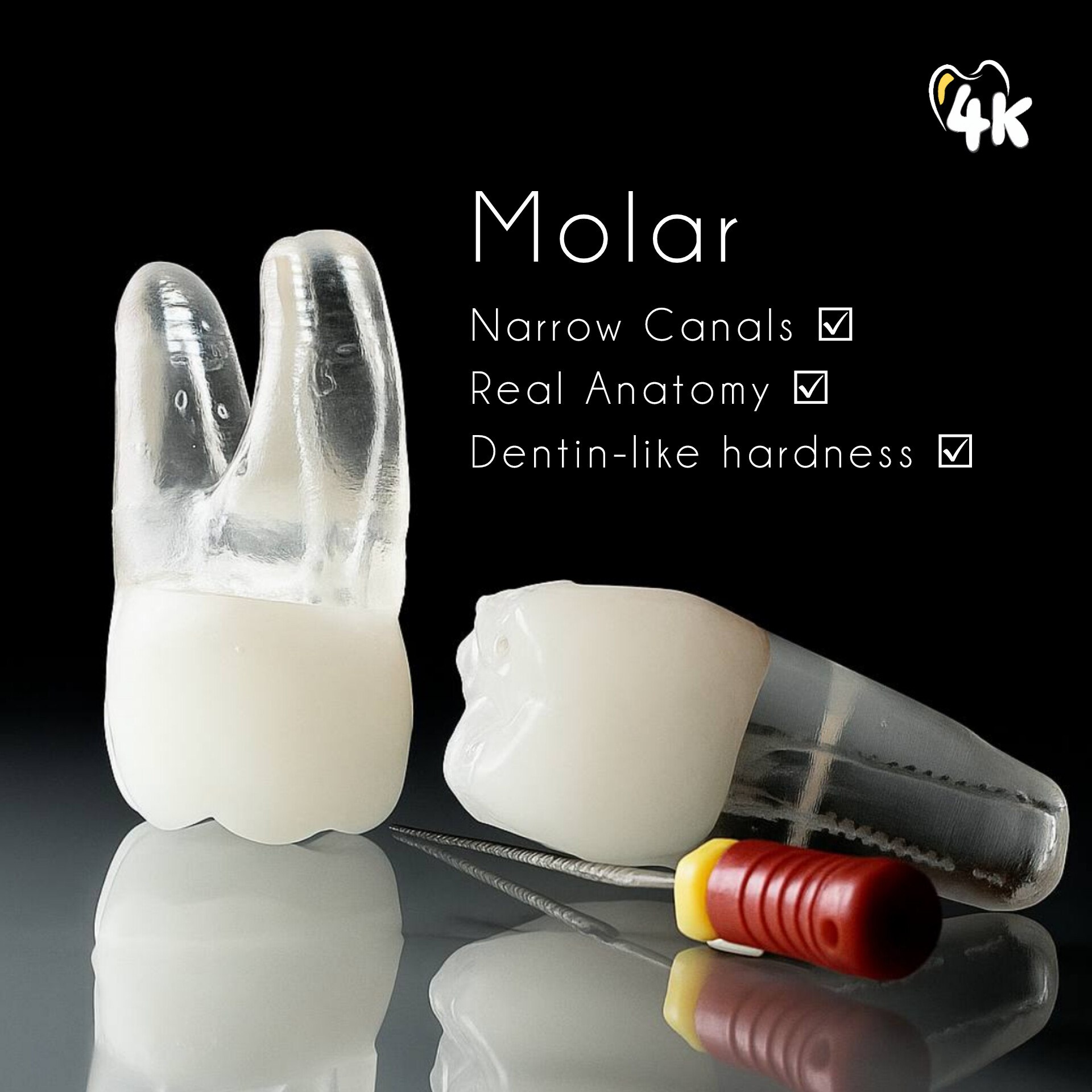
The Foundation and Pre-clinical sets are built around exactly this: an MB2 that is really there, a floor that can be read, and a furcation that punishes a gouge the way a patient's would.
See the basic-skills models or ask which set fits your year group.