Mishap Cases
Models built for separated file retrieval, furcation perforation repair, ledge bypass, and troubleshooting under pressure.
4 models in this category
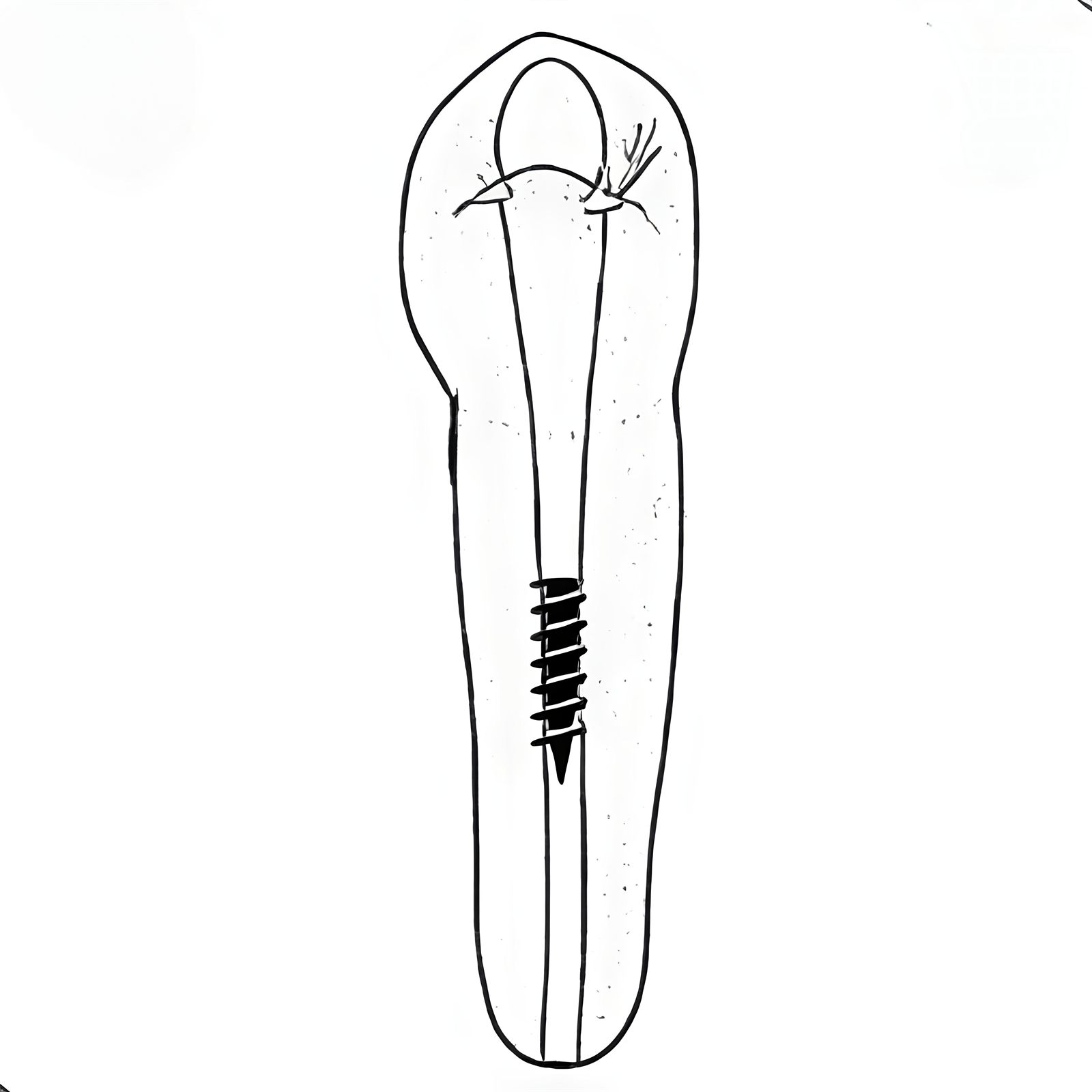
Broken File — Straight Canal
Simulates a separated instrument 3mm from the apex in a mid-straight canal. Teaches retrieval decision-making and bypass under anatomical constraints.
- Ultrasonic retrieval technique
- Bypass with small K-files
- Clinical decision-making under pressure
Broken File — Curved Canal
Separated instrument in a curved canal — the most clinically challenging retrieval scenario. Combines curvature management with mishap response.
- Curved canal retrieval strategy
- Risk assessment before and after separation
- Bypass in angulated anatomy
Furcation Perforation Model
A furcation area perforation requiring hemorrhage control, diagnosis confirmation, and MTA repair. Critical for teaching error management and repair workflows.
- Perforation detection and diagnosis
- MTA barrier placement technique
- Hemorrhage control protocol
Ledge Formation Model
A pre-formed ledge in the canal challenges learners to bypass, re-establish patency, and regain the working length without further damage.
- Ledge bypass with pre-curved files
- Tactile feedback recognition
- Restoring canal patency step-by-step
Its clinical value.
File separation is the most feared intra-operative incident in endodontics. Training on a controlled straight canal first builds the retrieval instinct before facing curved anatomy.
Related categories.
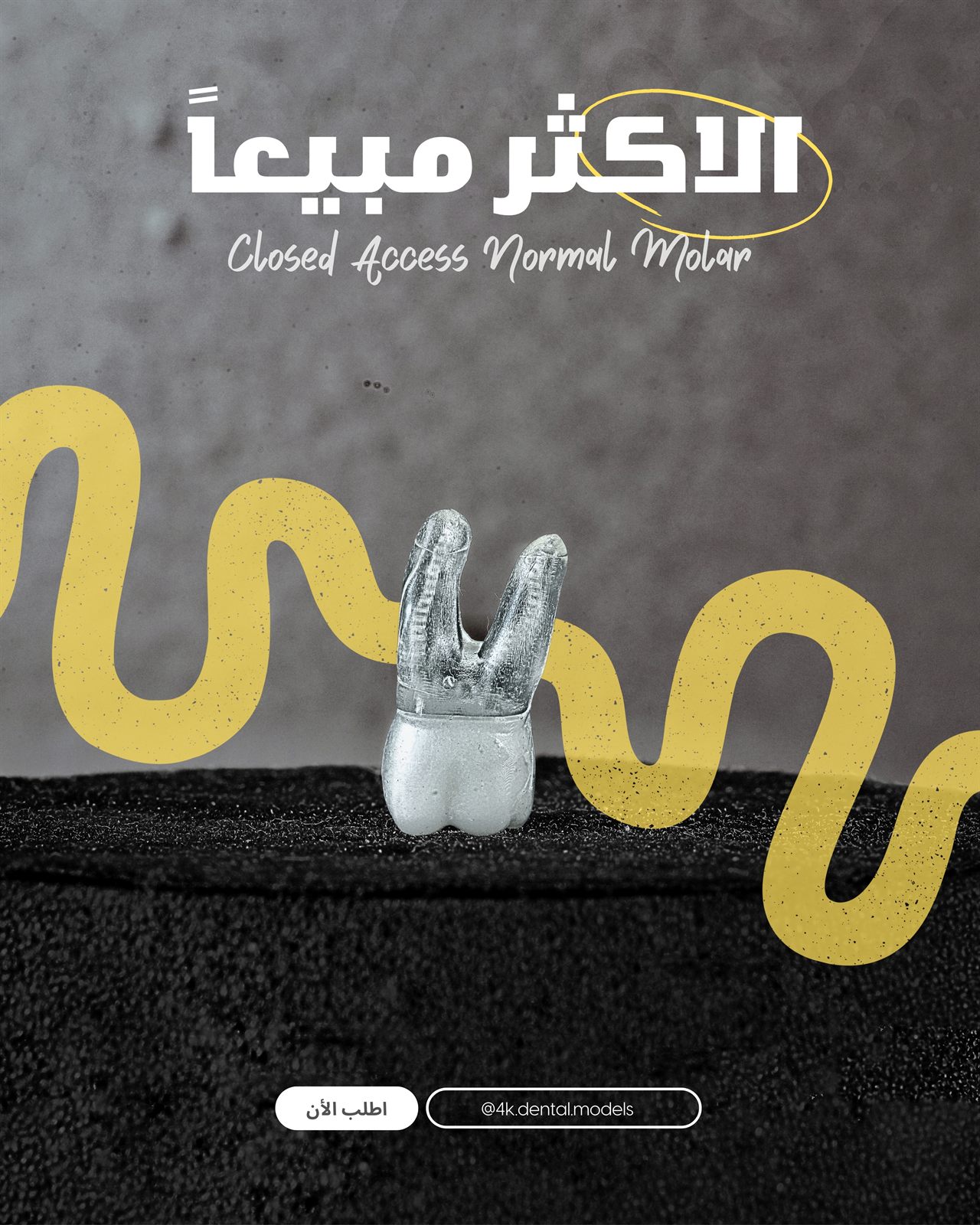
Basic Students — Closed Access
Controlled entry-level models for access design, canal location, working length, early negotiation, and instrument confidence.
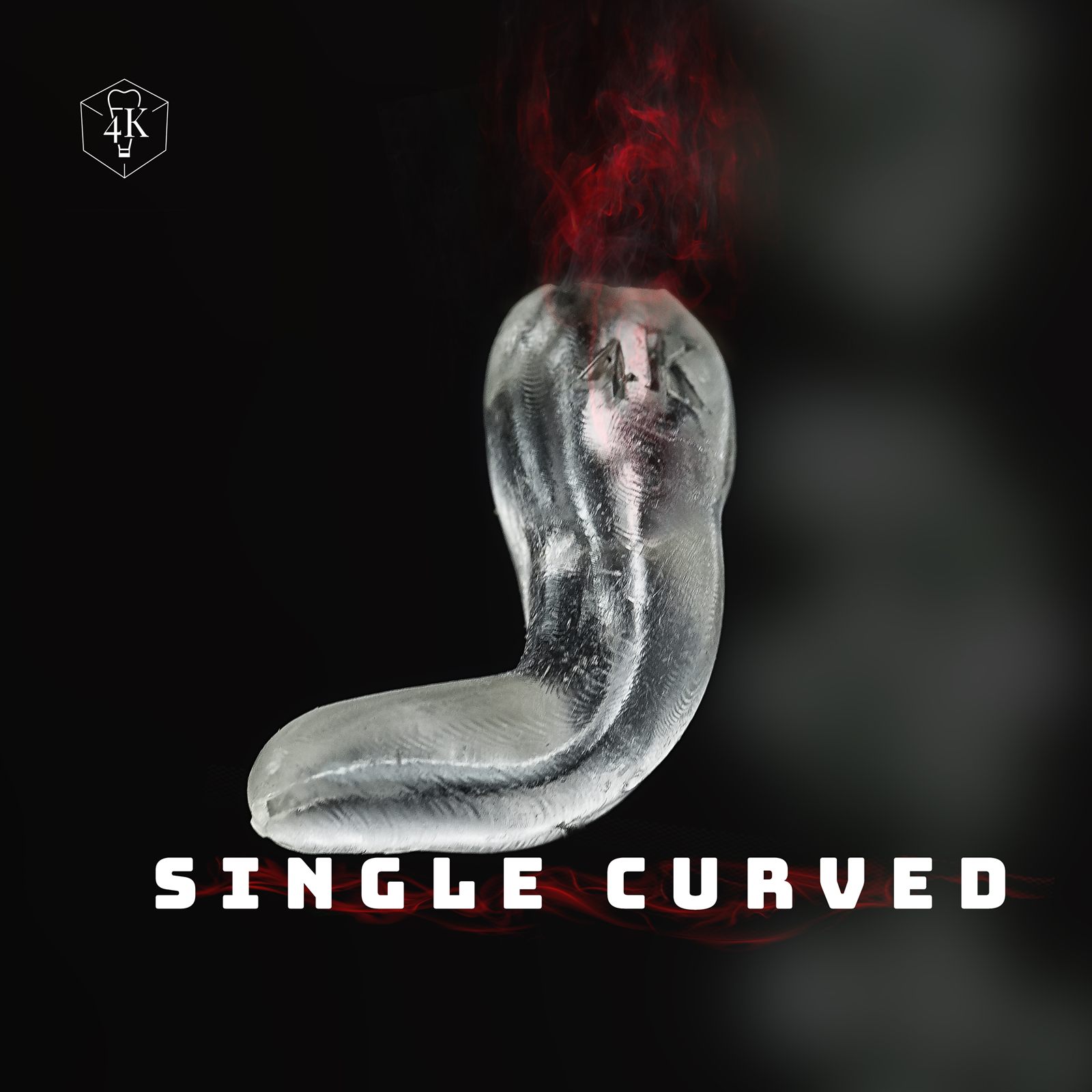
Curved Canals
Advanced premolar anatomies that help learners manage severe curvature safely and develop better tactile control.
Curved Molars
Posterior complexity for advanced access, multi-canal workflow control, and more realistic case planning.
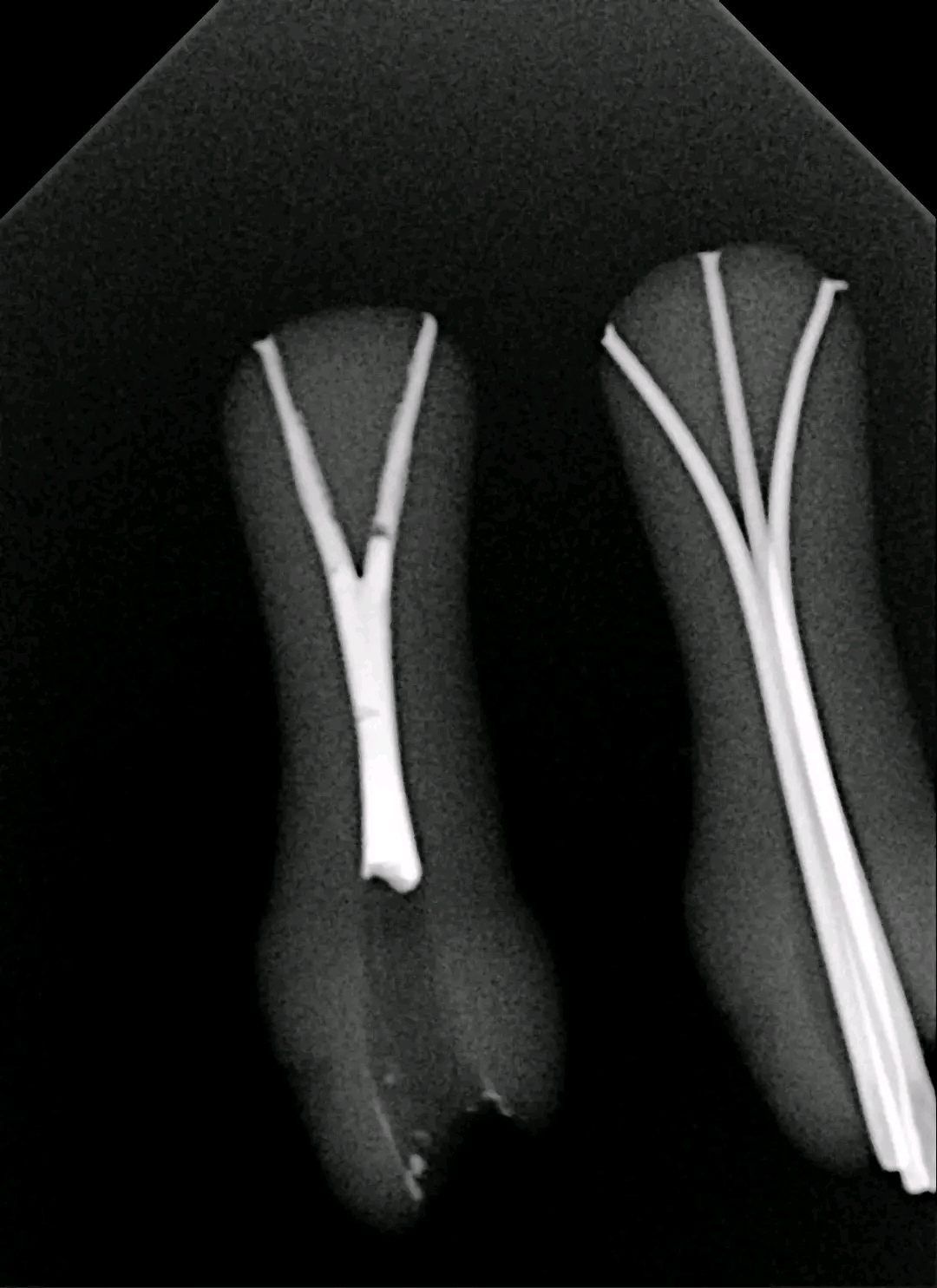
Apical Canal Splits
Branching apical anatomies that challenge diagnosis, negotiation, and filling strategy under more realistic conditions.
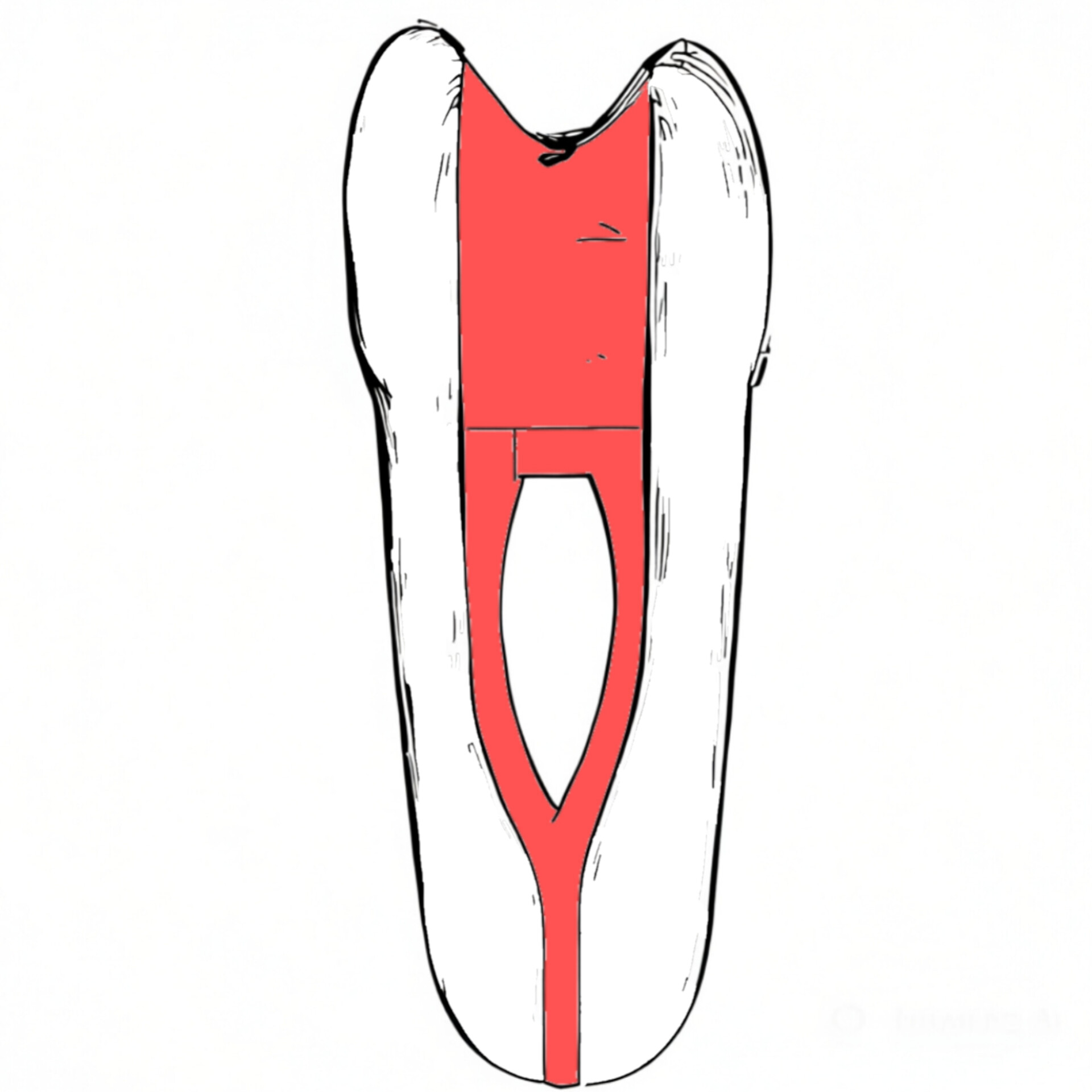
Canal Variants
Rare and memorable morphology patterns that help learners understand anatomy beyond the standard textbook shape.
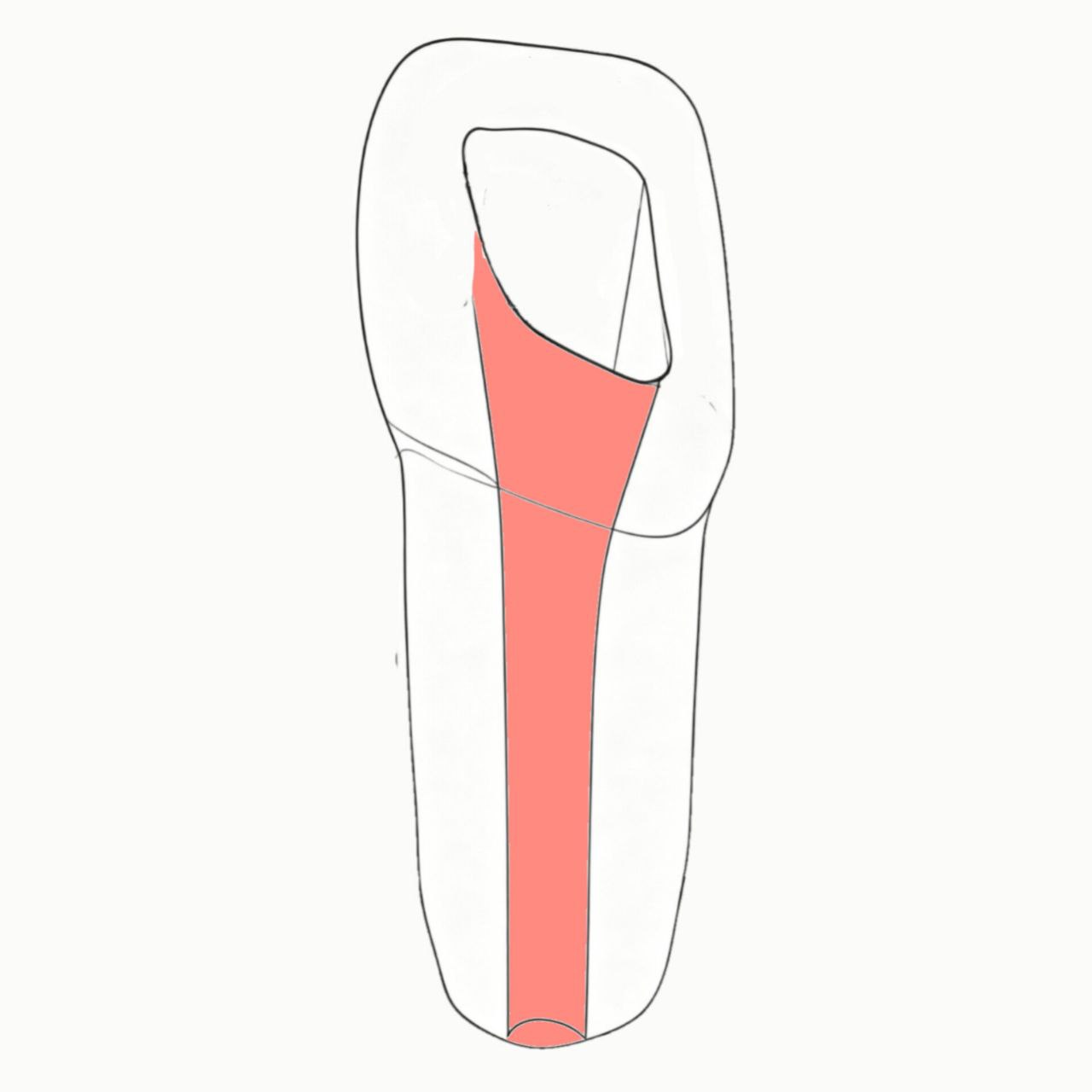
Immature Open Apex & Resorption
Case types that support discussion around regenerative concepts, open apex management, and non-standard endodontic paths.
Building a curriculum around this category?
We recommend the right model mix for your student level and curriculum goals — with direct support throughout the course.