
Apical Canal Splits
Branching apical anatomies that challenge diagnosis, negotiation, and filling strategy under more realistic conditions.
2 models in this category
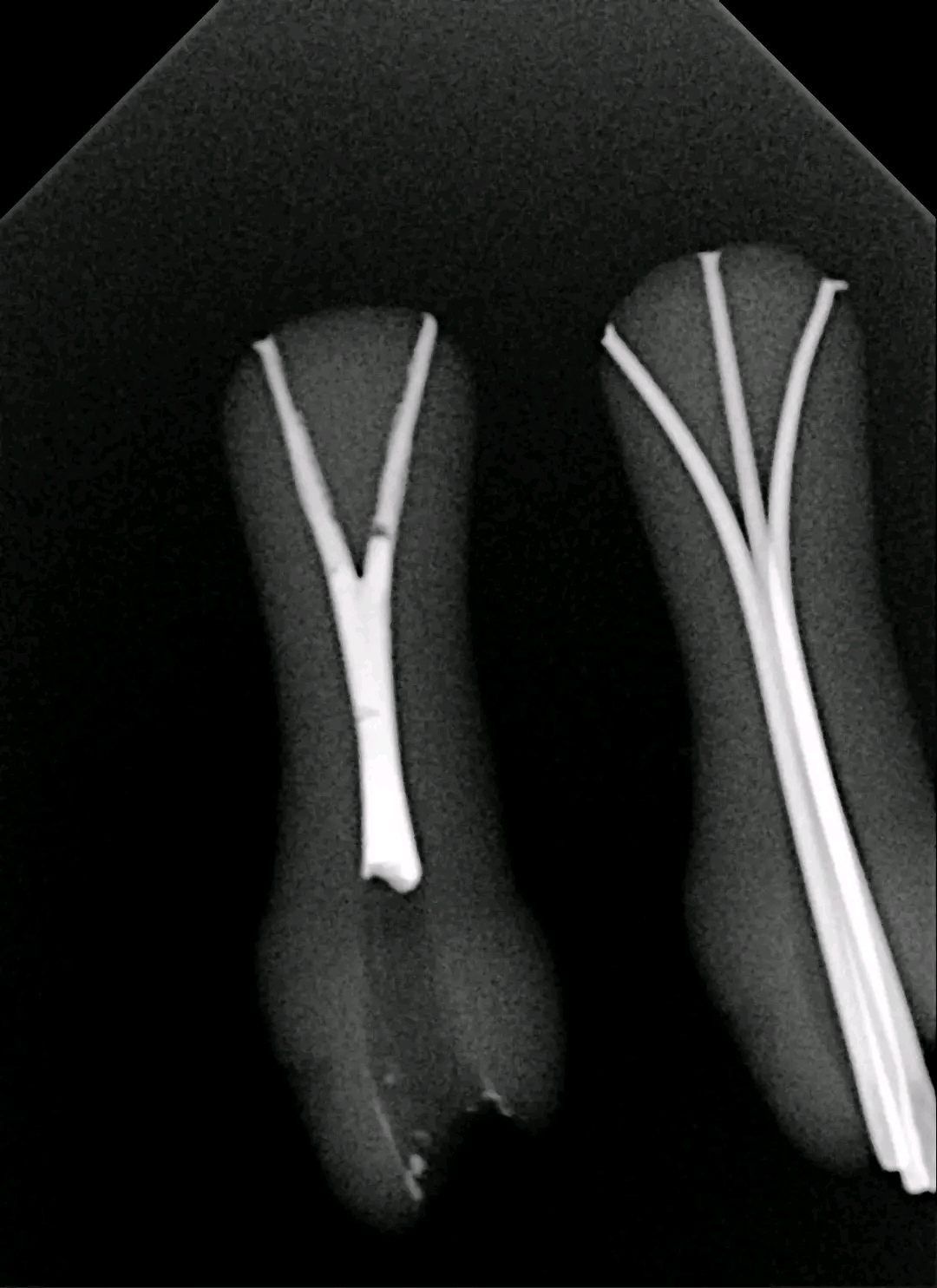
3-Branch Apical Split
Three diverging apical pathways demand careful negotiation of each branch, individual working length confirmation, and creative obturation to seal all terminals.
- Three-branch working length determination
- Individual canal negotiation strategy
- Warm vertical compaction for split canals
2-Branch Apical Split
A bifurcating apex teaches the fundamentals of split canal obturation — less complex than the 3-branch but equally important for obturation quality.
- Bifurcating apex obturation fundamentals
- Lateral compaction in split anatomy
- Radiographic confirmation of sealed branches
Its clinical value.
Apical splits are often invisible on conventional films but dictate the success of obturation. The model teaches you to plan filling before shaping.
Related categories.
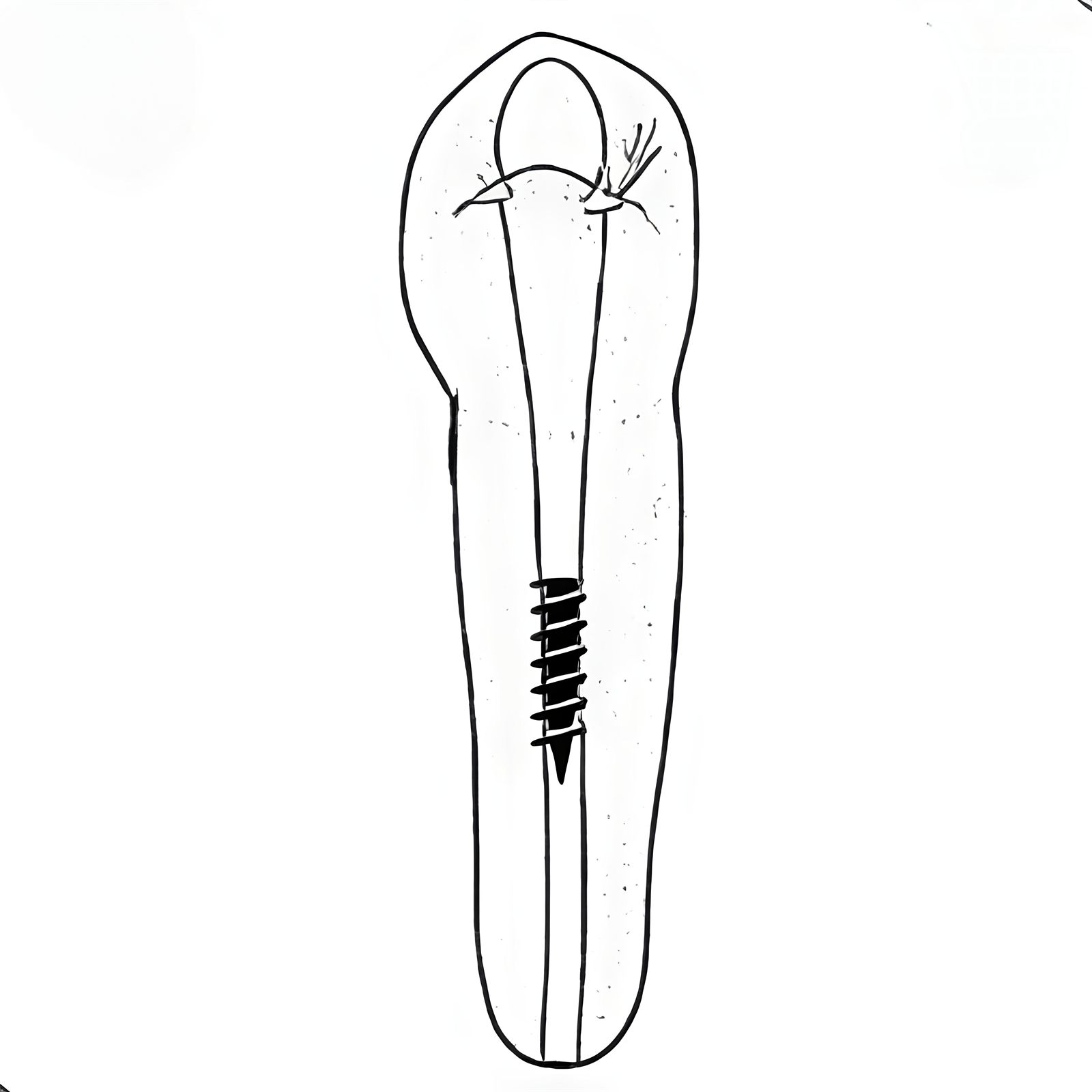
Mishap Cases
Models built for separated file retrieval, furcation perforation repair, ledge bypass, and troubleshooting under pressure.
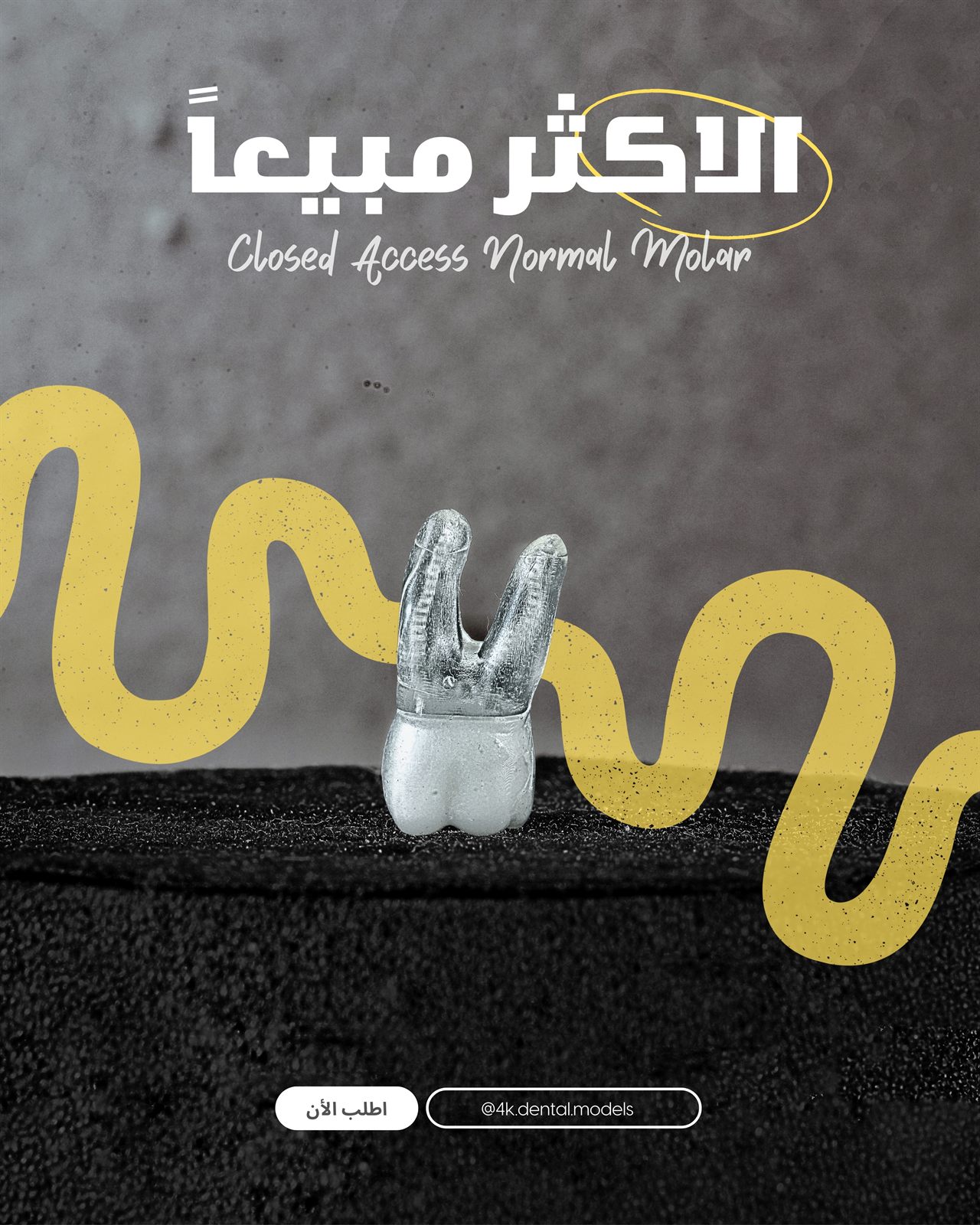
Basic Students — Closed Access
Controlled entry-level models for access design, canal location, working length, early negotiation, and instrument confidence.

Curved Canals
Advanced premolar anatomies that help learners manage severe curvature safely and develop better tactile control.
Curved Molars
Posterior complexity for advanced access, multi-canal workflow control, and more realistic case planning.
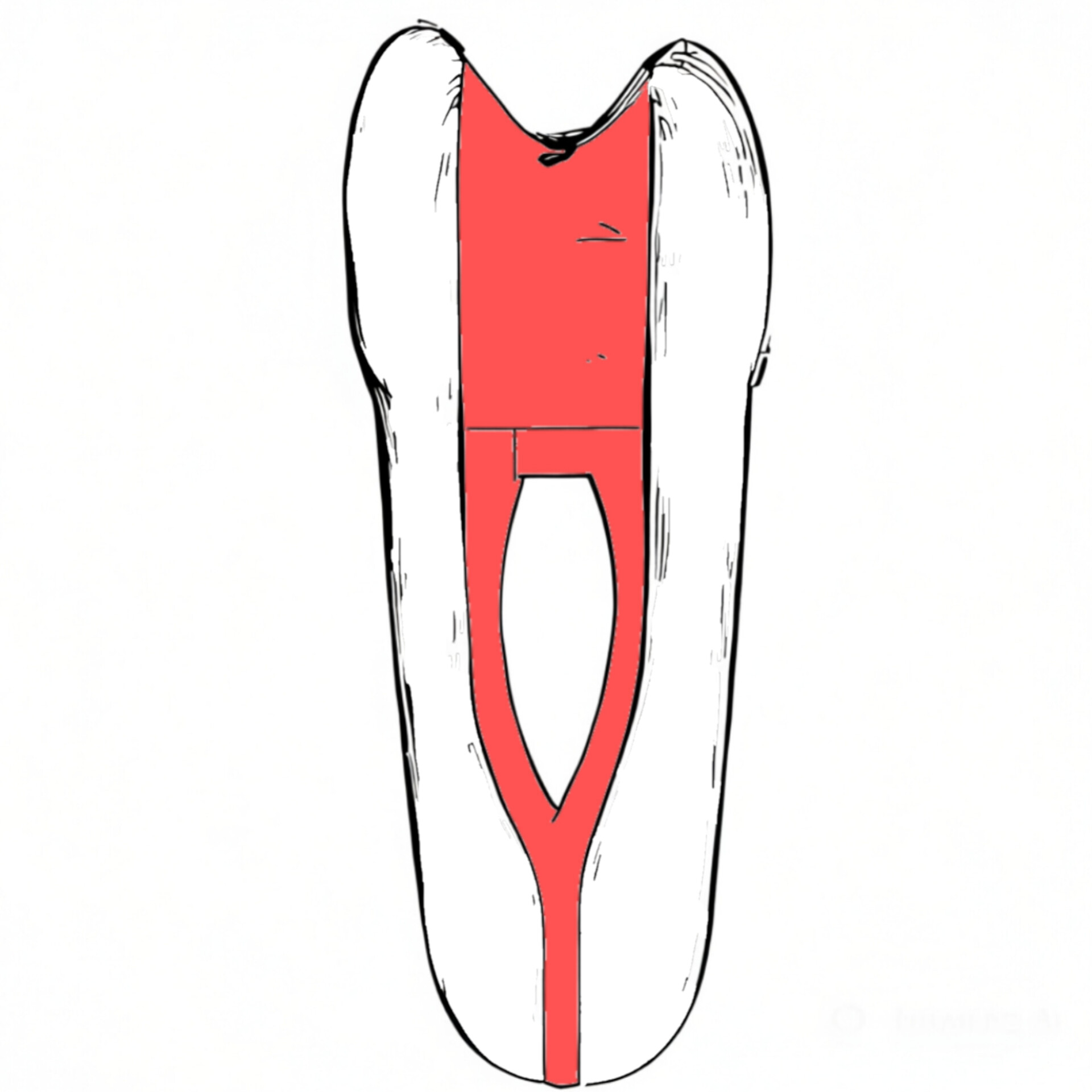
Canal Variants
Rare and memorable morphology patterns that help learners understand anatomy beyond the standard textbook shape.
Immature Open Apex & Resorption
Case types that support discussion around regenerative concepts, open apex management, and non-standard endodontic paths.
Building a curriculum around this category?
We recommend the right model mix for your student level and curriculum goals — with direct support throughout the course.