
Anatomy before aesthetics
Every model starts from a clinical objective, not a decorative shape. The priority is what the learner will actually feel in hand.
The 4K catalog is not a pile of disconnected cases. It is a teaching structure that moves from fundamentals to difficult anatomy and complications, turning explanation into tactile practice.
Every model starts from a clinical objective, not a decorative shape. The priority is what the learner will actually feel in hand.
Intentionally isolating a challenge makes practice clearer: curvature, apical split, separated file, or internal resorption.
The categories are not just shelves of products; they are a path from fundamentals to high-sensitivity cases.
Each pillar ties back to a real category in the catalog so the shift from concept to application stays direct.
Access, canal location, and working length on foundational cases.
Basic category →Separated files, perforations, ledges, and decision-making under pressure.
Mishaps category →Severe curvatures, S-shapes, and hook apices for better negotiation and shaping.
Curved category →More realistic work on curved molars and multi-canal access.
Molars category →Branching apical anatomy that sharpens diagnosis and obturation planning.
Apical category →Fused, DNA, and infinity canal types for broader anatomical understanding.
Variants category →Immature teeth and non-standard pathways in clinical planning.
Open Apex category →Rare scenarios that demand a better reading of the canal wall and a different strategy.
Within Open Apex →The end goal is not a single model, but a connected learning path that can be taught and assessed.
View full catalog →When products are built around a clear training aim, it becomes easier for an instructor or institution to choose a logical sequence instead of an arbitrary mix.
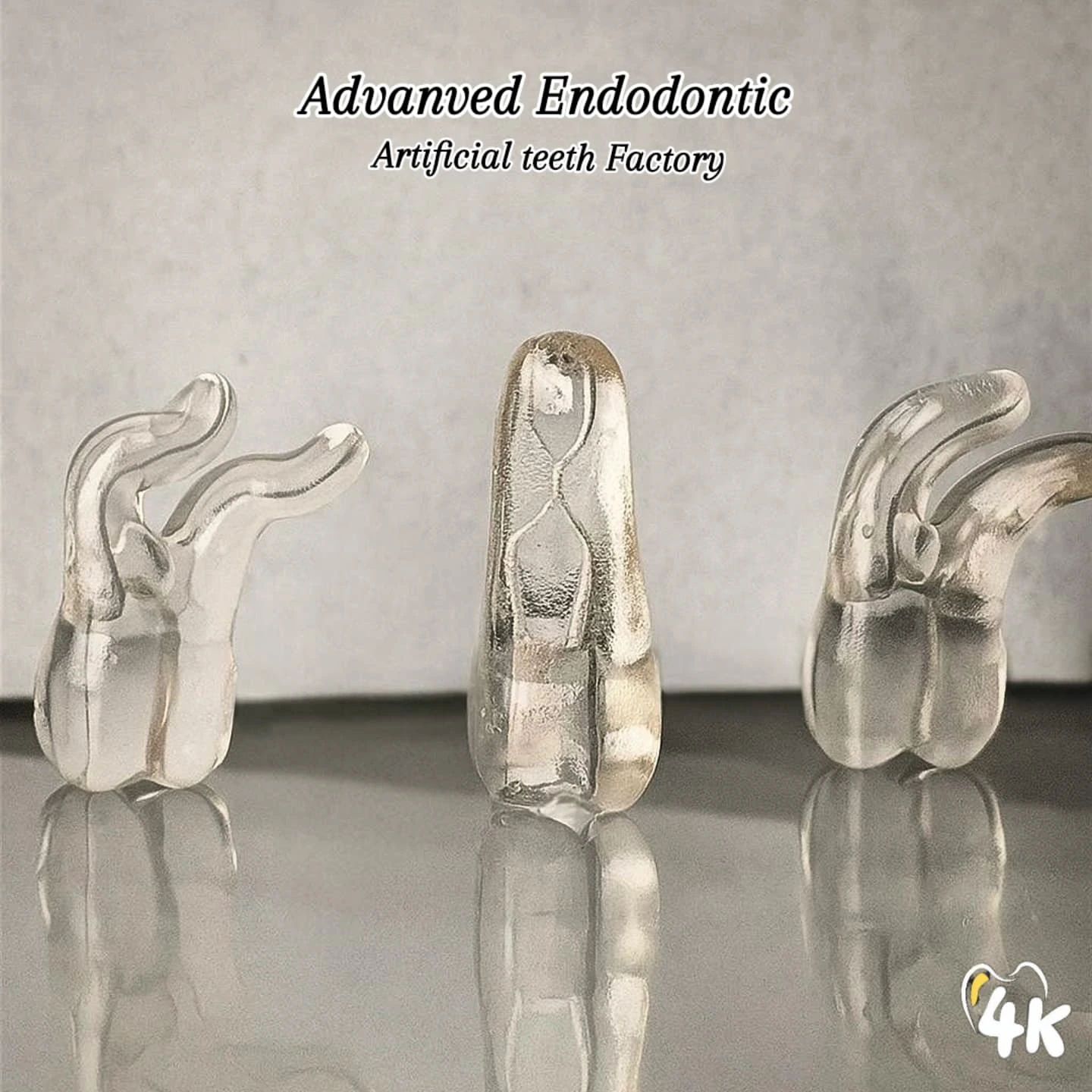
Share the level you teach and the type of training you run, and we will help shape a more coherent sequence across categories and models.