
Canal Variants
Rare and memorable morphology patterns that help learners understand anatomy beyond the standard textbook shape.
3 models in this category
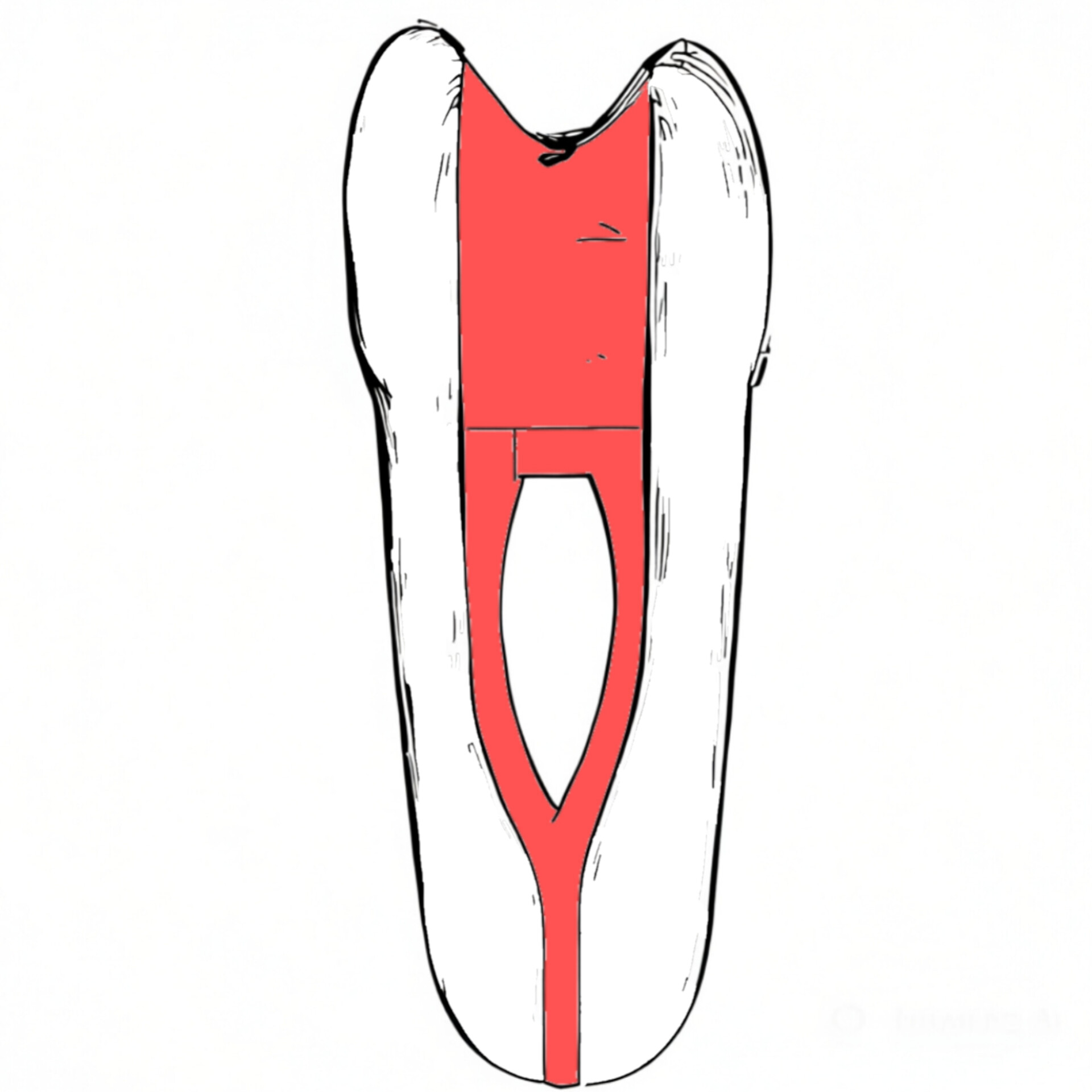
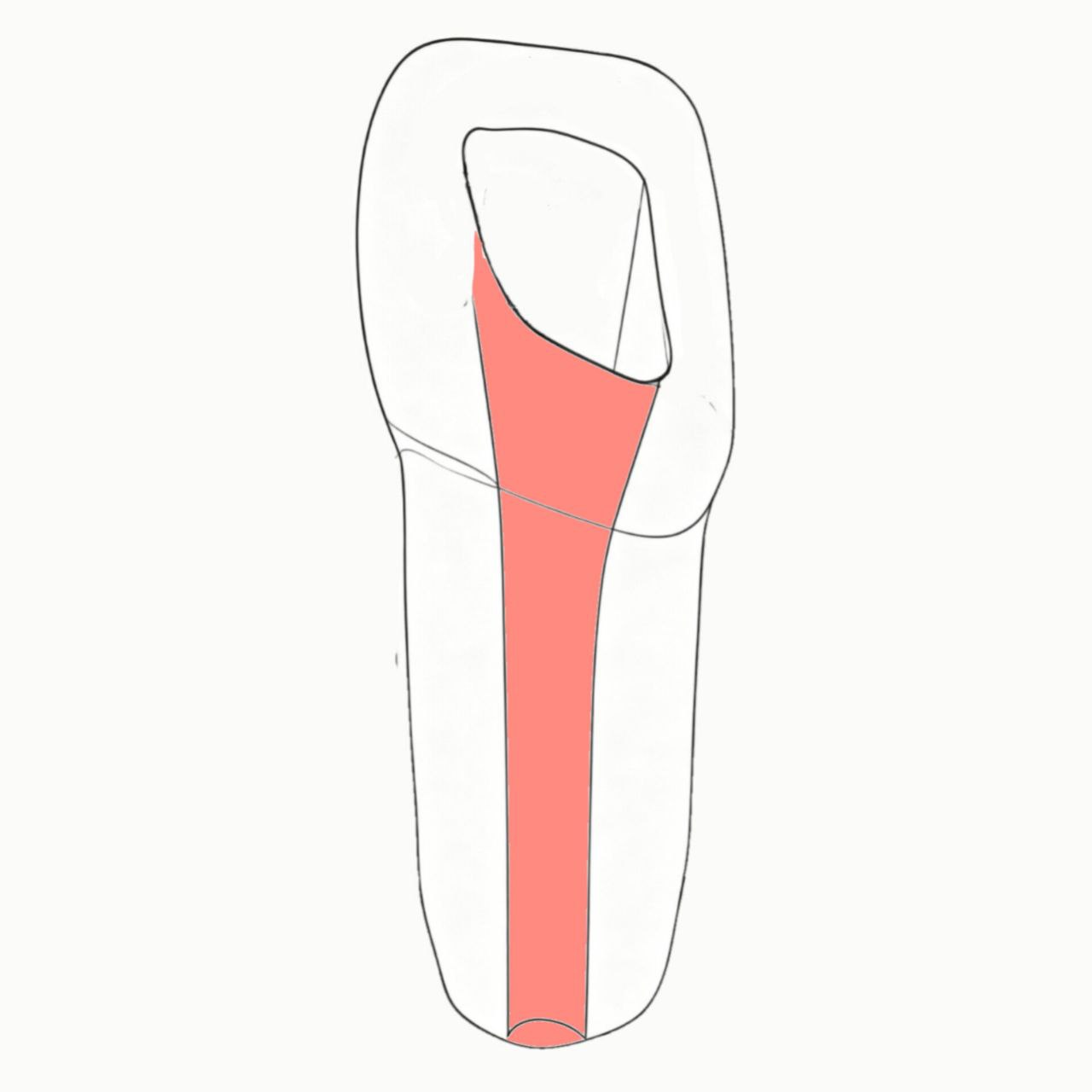
Type 2 — Fused Canal
Two separate canals merge into one before the apex. Teaches canal tracking from entry to fusion point and adapting obturation to the merged segment.
- Canal fusion tracking technique
- Working length in fused anatomy
- Obturation adaptation at merge point
Type 7 — DNA Canal
Canals that separate and rejoin multiple times — a genuine anatomical puzzle that demands methodical negotiation and systematic obturation of each segment.
- Systematic multi-segment negotiation
- Working length per segment
- Complex canal obturation sequencing
Type 3 — Infinity Canal
Three completely independent canal pathways to the apex. Each must be individually negotiated, shaped, and obturated — the ultimate multi-canal discipline exercise.
- Three independent canal management
- Access design for multiple orifices
- Full-sequence multi-canal obturation
Its clinical value.
Fused (Vertucci Type II) canals are the most common "hidden merge" in molars and premolars. Missing the fusion point leads to over-shaping and strip risk.
Related categories.
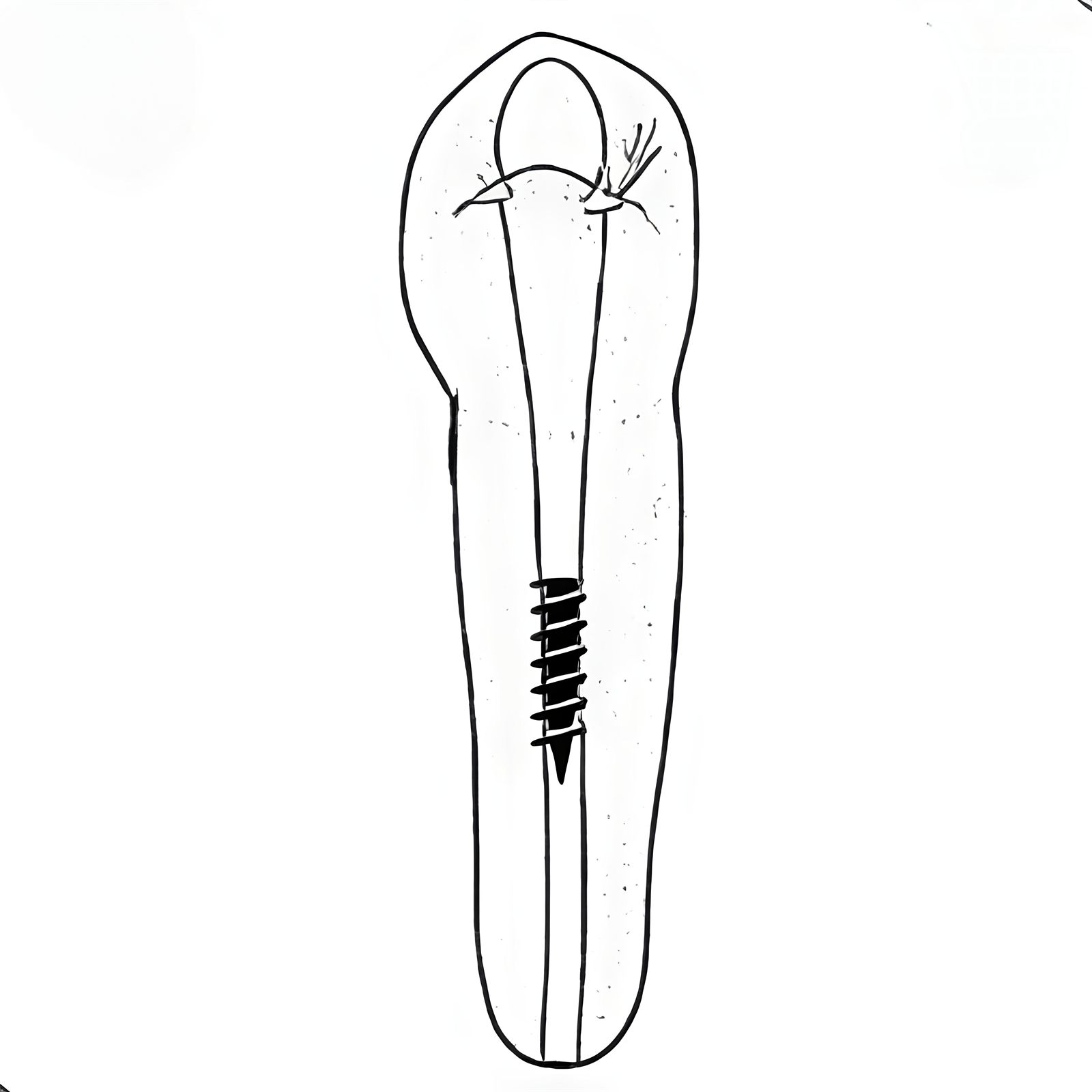
Mishap Cases
Models built for separated file retrieval, furcation perforation repair, ledge bypass, and troubleshooting under pressure.
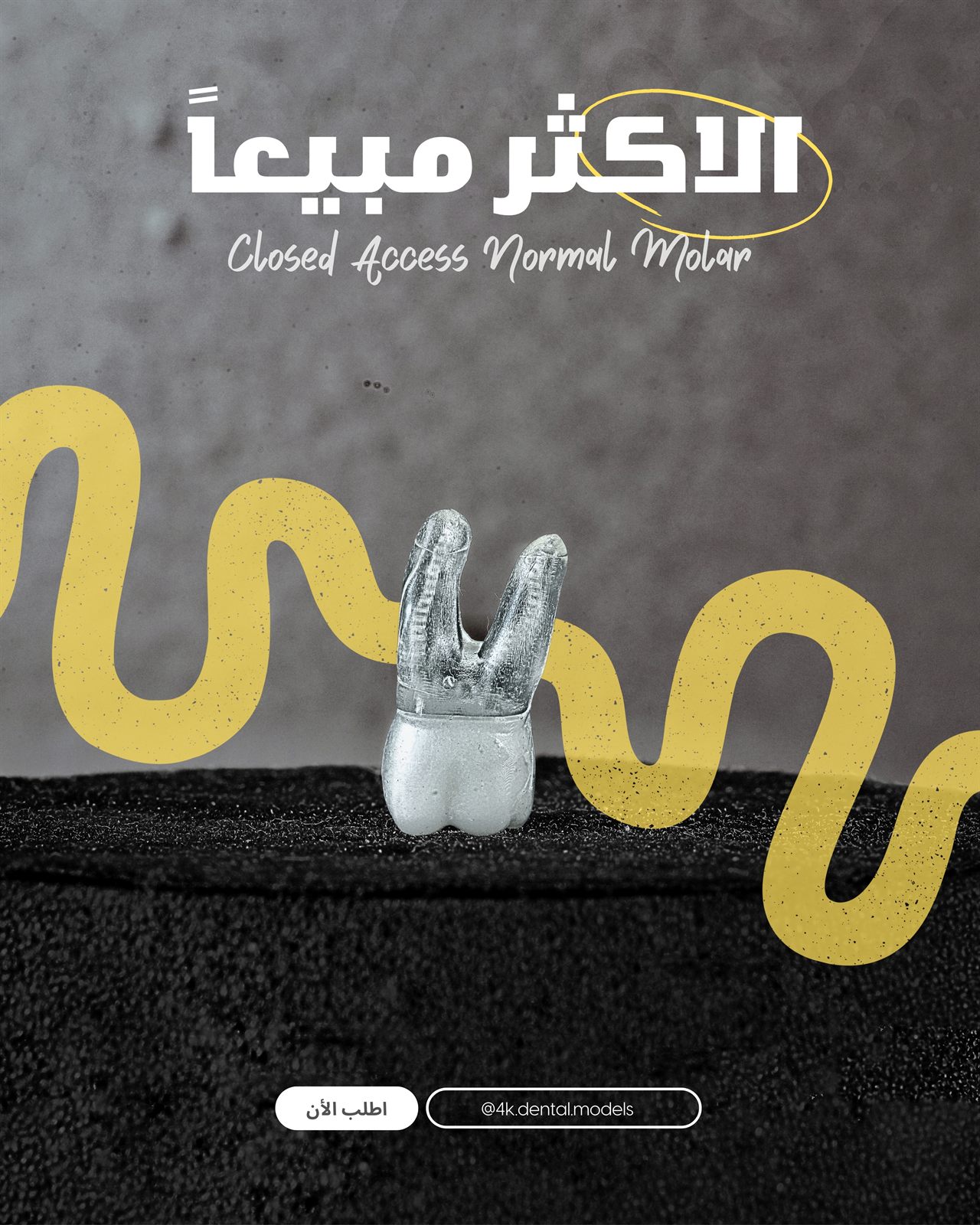
Basic Students — Closed Access
Controlled entry-level models for access design, canal location, working length, early negotiation, and instrument confidence.

Curved Canals
Advanced premolar anatomies that help learners manage severe curvature safely and develop better tactile control.
Curved Molars
Posterior complexity for advanced access, multi-canal workflow control, and more realistic case planning.
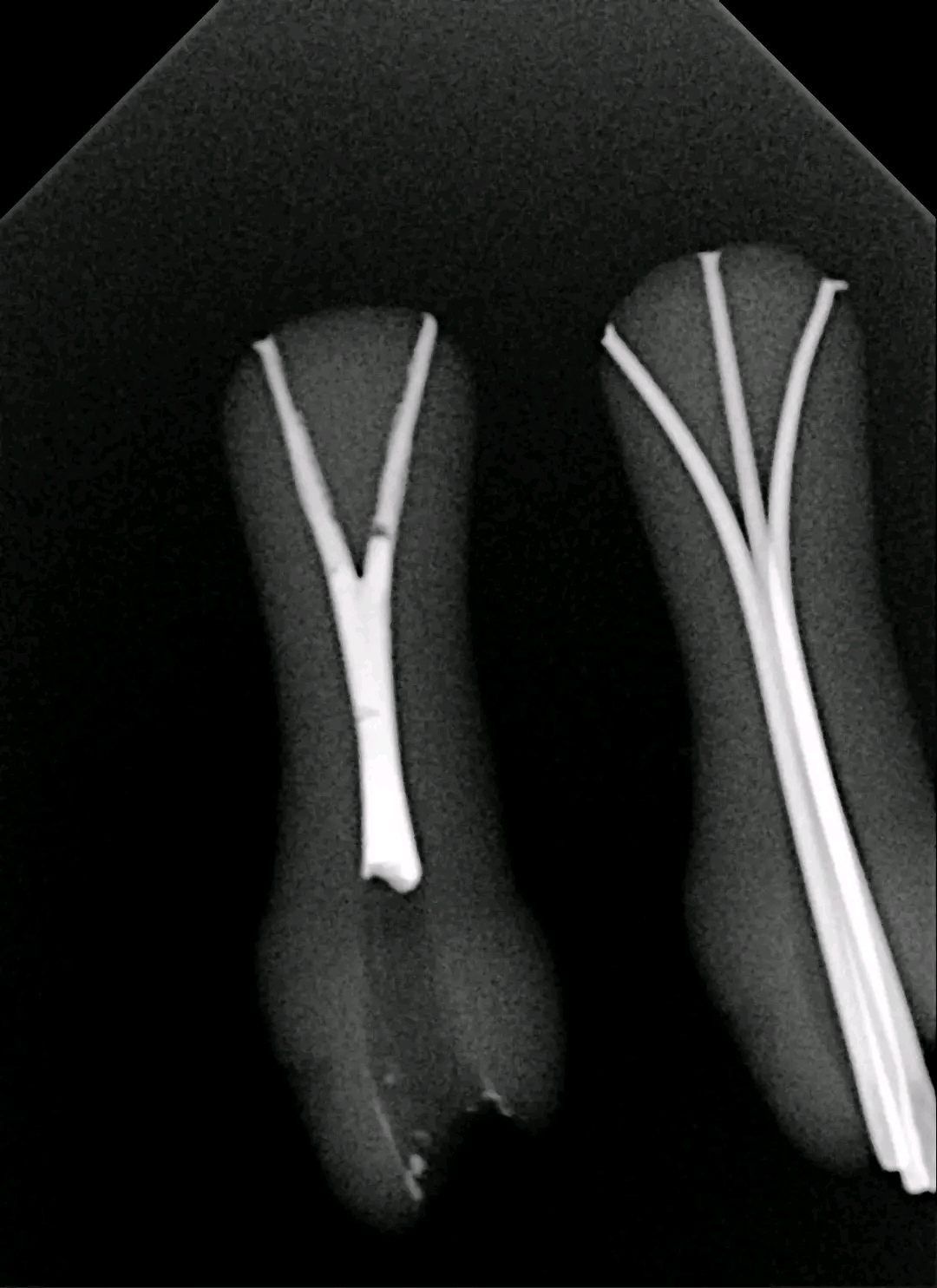
Apical Canal Splits
Branching apical anatomies that challenge diagnosis, negotiation, and filling strategy under more realistic conditions.
Immature Open Apex & Resorption
Case types that support discussion around regenerative concepts, open apex management, and non-standard endodontic paths.
Building a curriculum around this category?
We recommend the right model mix for your student level and curriculum goals — with direct support throughout the course.